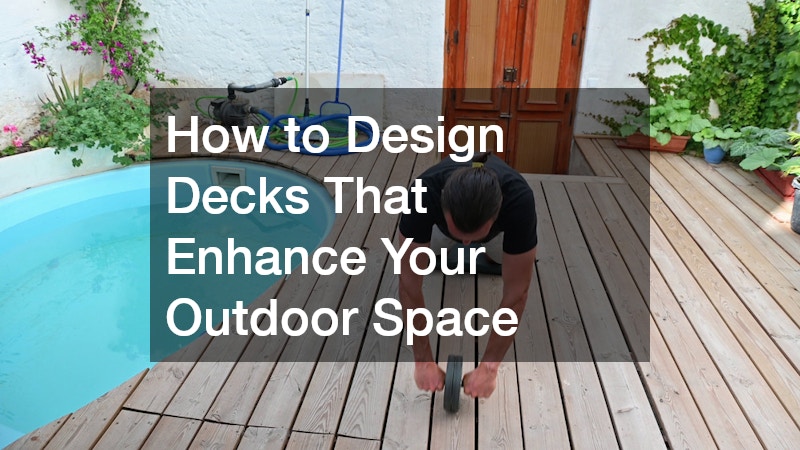
The transition from an indoor living environment to the expansive beauty of the outdoors is a design challenge that has fascinated homeowners and architects for generations. When executed correctly, a deck serves as more than just a wooden platform; it becomes an extension of the home’s personality and a bridge to the natural world. Designing decks that truly enhance an outdoor space requires a thoughtful balance of functionality, aesthetics, and site-specific integration. It is about creating a sanctuary that feels as though it was born from the landscape rather than imposed upon it.
Defining the Purpose and Flow of the Space
Before selecting materials or sketching blueprints, it is essential to determine how the space will be utilized. A deck intended for large summer dinner parties requires a vastly different layout than one designed for quiet morning meditation or intimate fireside chats.
To maximize enhancement, consider the natural flow of traffic from the interior of the house to the exterior. The placement of doors and the alignment of walkways should feel intuitive. If a deck is cluttered with furniture that blocks the path to the yard, it creates a sense of friction. Instead, aim for a design that invites movement, using different levels or subtle transitions to define rooms without the need for restrictive walls.
Harmonizing with Architectural and Natural Context
An enhanced outdoor space feels cohesive. A modern, minimalist home might look out of place with a rustic, heavy-timber deck, while a Victorian cottage would feel disconnected from a sleek, industrial steel structure. Look at the existing materials of your home—the brickwork, the siding, and the trim—and find ways to echo those elements in the deck design. Furthermore, the topography of your land should dictate the form of the structure. High-elevation decks offer sweeping views and can utilize the space beneath for storage or a shaded patio, while low-profile decks can nestle into a garden, creating a sense of being surrounded by flora.
Selecting Materials for Longevity and Beauty
The choice of materials is where many homeowners face their most significant decisions. While traditional pressure-treated lumber remains a popular and cost-effective choice, many are turning to hardwoods like Ipe or Western Red Cedar for their natural resistance to decay and their rich, warm hues. For those seeking lower maintenance, composite materials have evolved to mimic the grain and texture of real wood with remarkable accuracy. The goal is to choose a material that complements the home’s color palette while standing up to the local climate. A deck that looks weathered and neglected after only two seasons does not enhance a space; it detracts from it. Therefore, investing in quality finishes and fasteners is as important as the boards themselves.
Integrating Lighting and Privacy Elements
A truly enhanced deck is usable at all hours of the day. Lighting plays a dual role in safety and ambiance. Recessed stair lighting ensures that transitions are visible after sunset, while overhead string lights or post-cap LEDs can create a soft, inviting glow that encourages late-night conversations. Equally important is the concept of privacy. In dense suburban environments, a deck can feel exposed. Enhancing the space may involve the strategic use of pergolas, privacy screens made of horizontal slats, or even tall ornamental grasses. These elements provide a sense of enclosure and intimacy, transforming a public-facing platform into a private retreat.
The Role of Railing and Fine Details
Railings are often the most visible part of a deck, yet they are frequently an afterthought. To enhance a view, consider cable railings or glass panels that provide safety without creating a visual barrier. If the goal is to reinforce a specific style, ornate metal balusters or traditional wood railings can add character and weight. Beyond the railings, think about the small details: built-in planters that bring greenery onto the deck, integrated bench seating that saves space, or even a dedicated spot for a grill or outdoor kitchen. These details show a level of intentionality that distinguishes a basic construction project from a high-end design.
Designing a deck is an opportunity to redefine how you experience your property. By focusing on the harmony between the structure and the surroundings, selecting durable and beautiful materials, and paying attention to the nuances of lighting and privacy, you can create an outdoor area that is both functional and inspiring. A well-designed deck does not just add square footage to a home; it adds quality of life, providing a perfect stage for the beauty of the outdoors to be enjoyed to its fullest.