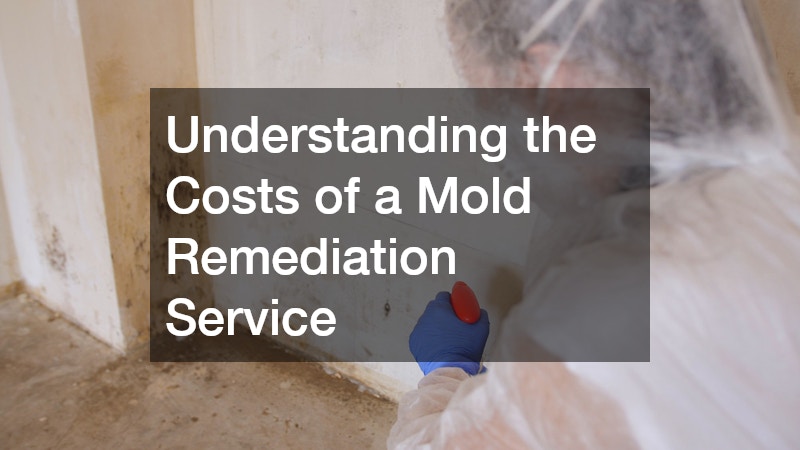
Mold remediation services play an essential role in maintaining the safety and health of your home. Mold can pose serious health risks, particularly to those with respiratory conditions or compromised immune systems, making its removal imperative. Understanding the costs involved in mold remediation is crucial as it can help you budget effectively and avoid unexpected expenses.
With various factors influencing the cost of these services, being informed ensures that you receive quality work at a fair price. This article will delve into the complexity of pricing within mold remediation services, offering insights into various aspects such as cost calculations, price ranges, and ways to save money.
What Factors Influence the Cost of Mold Remediation?
Several factors affect the cost of mold remediation, starting with the size and scope of the infestation. Typically, larger areas with more extensive mold growth require more labor and materials, leading to higher costs. The type of mold also matters. Black mold, for instance, is notorious for being particularly hazardous and difficult to remove, thus increasing the expenditure. Additionally, accessibility plays a significant role; hard-to-reach areas or spaces that require special equipment can spike the costs considerably. Furthermore, regional pricing trends and labor costs can result in significant price variations between different geographical locations.
Another crucial factor is the extent of damage caused by the mold. Mold often damages walls, ceilings, and floors, and repairing or replacing these can add to the total costs. The need for additional services such as air duct cleaning or HVAC system assessments can also raise the overall price. Furthermore, the experience and reputation of the mold remediation company may influence costs as well; well-established firms may charge more due to their expertise and reliability. It’s imperative to get multiple quotes to understand the market rate and ensure you’re not overcharged. Overall, careful consideration of these influencing factors will help in devising a more accurate cost expectation for mold remediation services.
Water damage is often a precursor to mold, and its source and extent can be additional cost drivers. Identifying and mitigating the source of water intrusion is necessary to prevent mold from returning and can affect the financial outlay significantly. Emergency services can also sway costs; an urgent need for immediate assistance often comes at a premium. Lastly, regulatory requirements for certain types of properties or specific mold types can introduce additional compliance costs that the homeowner must bear. Understanding how these diverse elements interplay is key in estimating the overall costs you might incur, enabling better financial planning and preparedness.
How is the Mold Remediation Cost Calculated?
Mold remediation costs are calculated based on several crucial factors. Primarily, the size of the affected area is measured, as costs typically range from $10 to $25 per square foot. Another major component is the level of infestation, where minor mold removal services for small infestations can be substantially cheaper than extensive cases requiring comprehensive eradication efforts. The type of mold also plays a vital role; common molds may incur lower costs compared to dangerous types like Stachybotrys. Furthermore, the process entails initial inspection fees which can range from $200 to $600, affecting the total expenditure.
Labor costs form a significant part of the calculation as well. Rates for professional labor tend to vary depending on the region and the expertise of the contractor. In addition, repair costs for any structural damage caused by the mold, which can be substantial, should be added to the calculations. Equipment costs for specialized tools and technology employed during the process also add up; this includes protective gear, HEPA filters, and biocide treatments. Additional costs might arise if more advanced techniques such as thermal imaging or specialized air sampling are required to assess the extent of the mold contamination.
Lastly, post-remediation testing ensures that the mold levels are back to normal and the property is safe for habitation, potentially adding to the calculated expenses. In some cases, ongoing maintenance contracts are recommended, particularly in areas prone to mold, which can affect overall budgeting. It’s beneficial to discuss with your service provider about any hidden fees or charges, such as waste disposal or travel expenses that might not be apparent upfront. Estimating and budgeting for these different facets will allow you to approach mold remediation with a clear financial understanding. With transparency and detailed billing from the service provider, you can better anticipate and prepare for the total costs incurred.
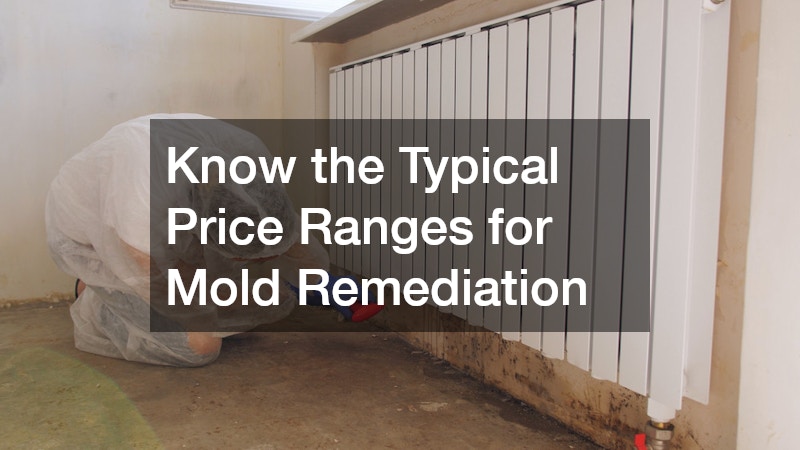
What are the Typical Price Ranges for Mold Remediation?
Mold remediation costs can vary widely, with small jobs potentially costing as low as $500 while severe cases climbing up to $6,000 or more. For a typical job, the average costs range between $1,100 and $3,500, depending on the affected area and mold type. Residential properties with surface mold on a single wall or small area tend toward the lower end of the spectrum, whereas extensive mold infestations across multiple rooms or commercial properties see costs substantially increase. Different service providers may also offer various pricing models, some may charge per job, while others may provide an hourly rate, affecting how the total cost is assessed. Securing detailed quotes from multiple contractors is advised to obtain the most competitive pricing.
Another aspect impacting the typical price range is the nature and complexity of the case. Mold remediation in crawl spaces, attics, or basements often requires specific expertise, which can make these services slightly pricier. Be aware that any safety risks associated with the type of mold could also introduce additional charges for specialized handling and disposal. Understanding these common pricing tiers can help you evaluate your financial options and make informed decisions about how best to address mold issues within your budget constraints. Since insurance might cover some of the costs, checking the specifics of your insurance policy can also be a decisive financial factor during remediation.
It’s important to be wary of unusually low quotes as they may signal inadequate service or a lack of professionalism. Investing in a reputable and experienced mold remediation service ensures thorough cleanup and prevents future problems, ultimately proving more cost-effective over time. Depending on the severity of mold buildup and the intrinsic value of protecting your health and property, choosing between cost and quality might weigh heavily on your decision. Ultimately, the extensive range of costs reflects the variability and complexity inherent in mold remediation projects, demanding careful evaluation and proactive planning on the part of homeowners. By understanding the full spectrum of potential costs, homeowners can also better navigate financial options, such as loans or insurance claims, for managing expensive remediation processes effectively.
Are there Ways to Reduce Mold Remediation Costs?
While mold remediation can be costly, there are several strategies you can employ to reduce expenses. Identifying the source of moisture and taking pre-emptive measures against water damage can prevent mold growth from escalating, reducing the scope of the work required. Regular inspections and maintenance of susceptible areas like basements or bathrooms can catch mold early, thus avoiding expensive remedial action later. Engaging a professional for mold testing can also help focus efforts on dealing with immediate risks first, potentially lowering costs by targeting the most impactful solutions. By combining DIY prevention and professional intervention, you can significantly cut down on comprehensive remediation costs.
Another cost-reduction strategy is comparing multiple quotes to secure competitive pricing from reputable service providers. It’s also worth exploring any available discounts or packages provided by companies, particularly if you need related services such as water damage restoration. Consider whether undertaking some non-critical cleanup tasks yourself could reduce labor costs; however, be cautious about managing any health hazards yourself and leave complex work to professionals. Taking advantage of off-peak season services might also help obtain better rates when demand for remediation services is lower. If your insurance policy covers mold damage, ensuring all necessary documentation is prepared will aid in filing a successful insurance claim, thereby helping offset your remediation costs.
Implementing upgrades like improved ventilation and humidity control systems can help mitigate future mold risks, potentially lowering long-term costs. Reducing clutter and improving drainage around your property can also prevent mold-friendly environments and discourage regrowth. Understanding and negotiating service scope inclusively can avoid any unexpected surcharges for actions you assumed were part of the quoted price. Consider setting aside a small emergency fund for swift intervention in the event of minor mold sightings or water leaks, stopping issues before they burgeon. Proactive home management and diligent maintenance are pivotal strategies in the long-term reduction of mold remediation costs.
Is Professional Mold Remediation Worth the Investment?
The necessity of professional mold remediation stems largely from the potential health and structural risks posed by mold infestations. Mold releases spores that can aggravate allergies and respiratory issues, so proper removal is critical to maintaining healthy indoor environments. Professionals possess the requisite expertise and equipment to identify all mold-infected areas and remove them effectively, ensuring that the problem is not just temporarily masked but thoroughly resolved. The lasting peace of mind offered by professional services, supporting the health and safety of occupants, justifies the investment for many homeowners. Attempts to self-remediate can often lead to inadequate removal, resulting in recurring mold problems which can become even costlier to address.
Beyond immediate remediation, professionals provide valuable services such as preventive consultations and tips on maintaining mold-free spaces. They can identify hidden troublespots prone to future mold development, offering solutions that can potentially save money over time. Moreover, their services typically come with warranties and guarantees, offering homeowners additional reassurance in their investment. Addressing mold efficiently also preserves the integrity of a property which is crucial if planning any future sales; removing the stigma of mold can enhance market value and increase buyer confidence. When considering both the tangible and intangible benefits, professional remediation emerges as a wise financial endeavor that guards against long-term hazards.
Ultimately, the decision to invest in professional mold remediation is a balance of immediate costs against future savings and health benefits. Considering that unchecked mold has the potential to cause costly structural damages, the expense of professional remediation provides a critical hedge. While the initial outlay might appear substantial, factor in the potential costs of undetected spread, heightened health risks, and depreciated property value to appreciate the full value of investing in proper mold removal. For most homeowners, ensuring the well-being of their family and the durability of their home aligns with choosing expert mold services, underscoring both its financial and qualitative merit. Every situation differs, and evaluating the specific needs and risk factors involved in each case will help decide whether professional remediation grants suitable value for money.
Mold remediation services are vital for preserving the health of both inhabitants and the structures themselves. Gaining insight into the cost structure allows for better financial forecasting and ensures homeowners receive fair services. From understanding cost influencers and calculations to exploring ways to save on expenses, being informed equips property owners with the knowledge needed to navigate these potentially costly scenarios effectively. Weighing the costs against potential benefits and long-term savings highlights the importance of considering professional remediation as a key investment in your home and family well-being. Ultimately, proactive measures combined with professional guidance offer the best defense against mold-related issues, safeguarding both financial resources and peace of mind.