
Real estate investment programming on television makes flipping look deceptively simple: find a run-down property, knock down a few interior walls, put in brass fixtures, and walk away with a six-figure check six weeks later. However, the reality of real estate speculation is vastly different. Success requires careful financial planning, deep construction knowledge, precise project management, and a strong understanding of buyer psychology.
When novice investors enter the market without adequate preparation, minor oversights can rapidly compound into devastating financial losses. Holding costs tick away daily, unexpected structural rot eats through profit margins, and unvetted contractors can vanish midway through framing. Understanding where previous investors went wrong provides the best blueprint for navigating your first acquisition safely.
By studying the most common traps that catch new investors off guard, you can protect your capital, streamline your timeline, and build a sustainable investment model. Here are ten critical mistakes that ruin first-time projects and how you can avoid them.
Miscalculating Purchase Price and Renovation Budgets

The most frequent error first-time investors make occurs long before the demolition crew arrives. Underestimating construction costs while overestimating the home’s After Repair Value (ARV) creates an instant financial trap that no amount of clever staging can fix.
Novice investors frequently rely on best-case scenarios rather than realistic, padded budgets. They forget to account for soft costs—such as loan origination fees, hard money interest rates, property taxes, builder’s risk insurance, and utility bills—which accrue every single day the property remains unfinished.
To avoid this trap, experienced investors rely on strict underwriting rules:
-
Apply the 70% Rule strictly: Never pay more for a distressed property than 70% of its estimated ARV minus the cost of repairs. This formula automatically bakes in your profit margin and safety buffer.
-
Build a mandatory contingency fund: Always allocate an additional 15% to 20% on top of your estimated construction budget for unexpected subsurface issues, framing rot, or hidden hazardous materials.
-
Get written, itemized bids upfront: Avoid relying on ballpark figures or mental math. Solicit detailed scope-of-work estimates from multiple tradespeople before making an offer.
-
Calculate holding costs precisely: Include every monthly line item—mortgage interest, property taxes, insurance, water, and power—for a duration two months longer than your projected timeline.
When planning comprehensive home renovations, unexpected hidden costs will inevitably surface once walls are opened up. Partnering early with a professional home remodeling designer helps establish clear floor plans and detailed material schedules before construction begins, keeping expensive scope creep at bay.
Ignoring Market Analysis and Target Buyer Demographics
A beautifully renovated property will sit on the market indefinitely if it fails to align with what local buyers actually want. Novice investors frequently over-improve a home by installing luxury high-end finishes in a starter-home neighborhood, or they install low-grade materials in an upscale school district where buyers demand premium quality.
Understanding local neighborhood dynamics is just as critical as managing your construction budget. An open-concept layout might appeal to young professionals, but family buyers in suburban subdivisions often prefer defined mudrooms, dedicated home office spaces, and ample storage.
To align your property with market expectations, implement these research steps:
-
Analyze recent neighborhood comps: Study properties that sold within a half-mile radius over the last 90 days, paying close attention to square footage, layout, and finish levels.
-
Tour open houses in the immediate area: See firsthand what local buyers are seeing. Note the countertop materials, flooring types, and exterior landscaping used in homes that sell within their first weekend.
-
Identify the primary buyer persona: Determine whether your most likely buyer is a first-time homebuyer, a growing family, an empty nester, or a real estate investor seeking rental income.
-
Avoid emotional design choices: Select neutral color schemes, durable finishes, and timeless fixtures rather than bold personal preferences that might alienate conservative buyers.
Prioritizing Cosmetic Upgrades Over Major Mechanical Systems
It is tempting to pour your entire renovation budget into quartz countertops, custom backsplashes, and stylish accent walls because those features look great in listing photos. However, spending all your capital on surface cosmetics while ignoring ancient, failing utility systems is a recipe for deal cancellation during the home inspection phase.
When a potential buyer’s inspector opens the utility closet and finds an outdated electrical panel or a heating system at the end of its operational lifespan, buyers will demand massive price concessions or cancel their purchase contract altogether.
Protect your transaction timeline by prioritizing infrastructure before spending on decorative upgrades:
-
Audit climate systems during due diligence: Bring in a licensed HVAC contractor to inspect furnaces, ductwork, and ventilation systems before removing your inspection contingency.
-
Assess cooling capacity and efficiency: In warmer climates, having a certified ac contractor service or upgrade old condensing units ensures your property passes thermal efficiency inspections without costly delays.
-
Budget for electrical upgrades early: Replace outdated knob-and-tube wiring, aluminum branch circuits, and underpowered fuse boxes early in the construction sequence.
-
Address water heater age: Replace water heaters that are over ten years old proactively rather than waiting for them to leak during buyer walkthroughs.
Skipping Critical Overhead and Exterior Protective Structures

A pristine interior renovation means nothing if water penetrates the building envelope and ruins your newly installed drywall and flooring. Novice flippers often look up at a worn, aging roof and decide to “wait and see” if it lasts through the sale, hoping the buyer’s inspector won’t notice missing shingles or degraded flashing.
Water intrusion is the single most destructive force a residential property faces. Failing to address exterior waterproofing structures before completing interior finishes exposes your entire capital investment to massive risk.
Take proactive measures to ensure the structure remains dry and sound throughout the selling process:
-
Inspect roof planes and decking thoroughly: Look for sagging ridge lines, missing asphalt shingles, deteriorated valley flashing, and rotting fascia boards during your initial property walkthrough.
-
Hire qualified exterior specialists: Work alongside a licensed roofing company to repair active leaks, re-flash chimneys, or install a complete replacement system before initiating interior drywall work.
-
Clean and extend gutter systems: Ensure all downspouts discharge runoff water at least five feet away from the foundation walls to prevent basement seepage.
-
Check window and door flashing: Re-caulk exterior penetrations and verify that window drip edges are installed correctly to block wind-driven rain.
Neglecting Curb Appeal, Access Paths, and Hardscaping
First impressions dictate buyer emotion. When potential buyers arrive for a walkthrough, their opinion of the property forms before they ever step through the front door. A unkempt exterior featuring cracked concrete paths, crumbling retaining walls, and weed-choked yards signals to buyers that the home was likely poorly maintained inside as well.
Neglecting hardscaping and entryway pathways is a major rookie oversight that reduces foot traffic and lowers overall offer values.
Focus on creating an inviting exterior approach through target hardscape repairs:
-
Repair fractured entry paths and parking pads: Work with a local driveway contractor to patch deep asphalt potholes, seal structural cracks, or pour fresh concrete walkways.
-
Restore structural stonework and retaining walls: Hire an experienced masonry company to repoint crumbling mortar joints, stabilize leaning boundary walls, and repair damaged brick steps.
-
Upgrade the front entryway: Install a fresh front door, modern outdoor lighting, clear house numbers, and a clean welcome mat to frame the front entrance.
-
Tidy up front landscaping: Trim back overgrown tree branches, edge lawn borders, and lay fresh dark mulch in flower beds to create visual contrast against exterior siding.
Mismanaging Plumbing, Boundaries, and Outdoor Privacy
Interior plumbing issues and ambiguous property lines are two silent profit killers that frequently stall deals right before closing. First-time investors often focus on cosmetic kitchen and bath upgrades while ignoring the condition of underground main drain lines or property boundary disputes.
A single main line backup into a newly tiled bathroom can destroy weeks of work and cost thousands of dollars in remediation. Similarly, failing to provide secure, defined outdoor spaces can make a home feel exposed and uninviting to families with children or pets.
Address these critical utility and property line details early in the project lifecycle:
-
Perform a main sewer line scope: Contract local plumbers to run a camera through the sewer line out to the municipal connection, checking for tree root intrusion, collapsed orangeburg pipe, or sagging cast iron.
-
Update supply lines inside wet walls: Replace old galvanized steel pipes with modern PEX or copper plumbing while walls are open during rough-in construction.
-
Establish clear outdoor physical boundaries: Partner with a local fencing contractor to install durable privacy fencing along property lines, instantly enhancing safety and backyard usability.
-
Verify property surveys: Obtain an accurate boundary survey before building new fences or outbuildings to avoid encroachment disputes with neighboring property owners.
Leaving Inadequate Thermal Protection in Key Living Zones
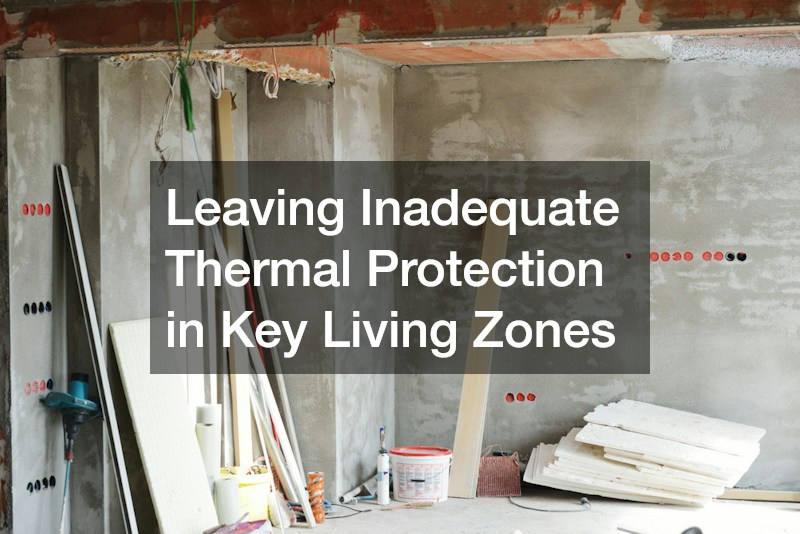
In the rush to complete framing and drywall, first-time investors often skimp on insulation and air-sealing. They view thermal performance as an invisible expense that buyers won’t notice during an open house. However, inadequate insulation leads to severe long-term issues, including drafty rooms, soaring utility costs for future owners, and moisture condensation inside wall cavities that breeds mold.
Building codes have tightened significantly in recent years. Inadequate wall or attic thermal protection can cause your project to fail rough framing or insulation inspections, halting progress until retrofits are completed at twice the original cost.
Prioritize energy efficiency and indoor comfort through proper thermal management:
-
Seal air leaks before insulating: Use expanding foam and caulk to seal top plates, electrical penetrations, pipe chases, and duct work connections before installing thermal batts.
-
Bring attic spaces up to modern code: Hire professional insulation contractors to blow loose-fill cellulose or fiberglass into attic spaces to achieve target thermal resistance values for your climate zone.
-
Insulate rim joists and crawl spaces: Spray foam applied to rim joists eliminates cold floors on the main level and stops exterior air infiltration.
-
Verify draft protection around fenestrations: Ensure window and door rough openings are insulated with non-expanding foam to prevent thermal transfer around frames.
Hiring the Cheapest Contractors Without Proper Vetting
The pressure to maximize profit margins often tempts new investors to hire the lowest bidder for trade work. Unfortunately, unusually low bids are frequently a red flag for uninsured workers, lack of licensing, poor craftsmanship, or deliberate underbidding designed to force price increases mid-project.
Unvetted trade teams can stall your project for months, perform sub-standard work that fails municipal inspections, or abandon the job entirely after taking initial deposit payments.
Implement a rigorous trade management protocol to safeguard your renovation schedule:
-
Verify active license and insurance coverage: Require every contractor to provide current certificates of general liability insurance, worker’s compensation coverage, and state trade licenses before signing contracts.
-
Structure payment schedules by milestones: Never pay large cash sums upfront. Divide contracts into clear performance milestones, paying only after work is completed and inspected.
-
Check recent local references: Call at least three past clients who completed projects with the contractor within the last six months to ask about timeline compliance and communication.
-
Require unconditional lien waivers: Collect signed lien waivers for both labor and materials from main contractors and subcontractors upon issuing every progress payment.
Working Without Required Permits and Inspections
Trying to save time and money by skipping municipal permits is a high-risk gamble that almost always backfires. Unpermitted electrical, plumbing, structural, or mechanical work can lead to immediate stop-work orders from municipal building inspectors, resulting in severe daily fines.
Furthermore, astute buyers and their home inspectors routinely cross-reference a home’s sales history against public permit databases. If major renovations were executed without recorded permits, lenders may refuse to issue mortgage loans, or buyers may demand that drywall be removed so underlying work can be inspected retroactively.
Manage legal compliance properly by following established municipal protocols:
-
Consult local building departments early: Meet with municipal code officials during your planning phase to determine exactly which trades require formal permits and inspections.
-
Include permit timelines in project schedules: Allow two to four weeks in your initial schedule for municipal permit review and approval before starting work.
-
Ensure trades pull their own permits: Licensed master tradespeople should pull permits under their own company licenses rather than asking you to pull owner-builder permits.
-
Keep inspection records on site: Maintain a dedicated binder containing all approved permit cards, stamped floor plans, and inspector sign-off sheets at the job site at all times.
Failing to Execute a Strategic Marketing and Staging Strategy

The renovation process does not end when the last contractor packs up their tools. A common mistake among first-time flippers is listing a vacant, unstaged home with poor phone photography, relying solely on online listing syndication to attract buyers.
Vacant homes often look smaller, feel cold, and make it difficult for buyers to visualize furniture placement or imagine living in the space. Poor listing photos cause potential buyers to scroll past your property entirely, leading to extended days on market and forced price reductions.
Execute a professional launch strategy to drive strong buyer interest:
-
Invest in professional real estate photography: Hire a dedicated real estate photographer who uses high-dynamic-range (HDR) imaging, wide-angle lenses, and proper lighting techniques.
-
Stage key primary living spaces: Hire a professional staging firm or rent furniture to stage the main living room, kitchen, primary suite, and dining area.
-
Highlight key property updates in listing copy: Clearly feature major mechanical, structural, and energy efficiency upgrades within the public listing description.
-
Host well-publicized launch events: Schedule a prominent weekend open house immediately following listing launch to generate competing buyer interest and urgency.
Flipping houses successfully requires balancing design vision with disciplined financial execution. While media representations make house flipping seem fast and easy, building a sustainable business demands rigorous planning, thorough underwriting, and disciplined contractor management. By avoiding common traps—such as miscalculating budgets, neglecting mechanical systems, skipping permits, and underfunding curb appeal—you protect your capital investment and ensure predictable project timelines.
Treat your first flip as a structured, professional business enterprise rather than a casual hobby. Prioritize structural integrity and system reliability over superficial cosmetics, build realistic financial safety buffers into your underwriting, and collaborate with licensed, reliable trade professionals throughout the renovation process. With careful planning and attention to detail, you can navigate your first acquisition smoothly and position your business for long-term real estate success.
